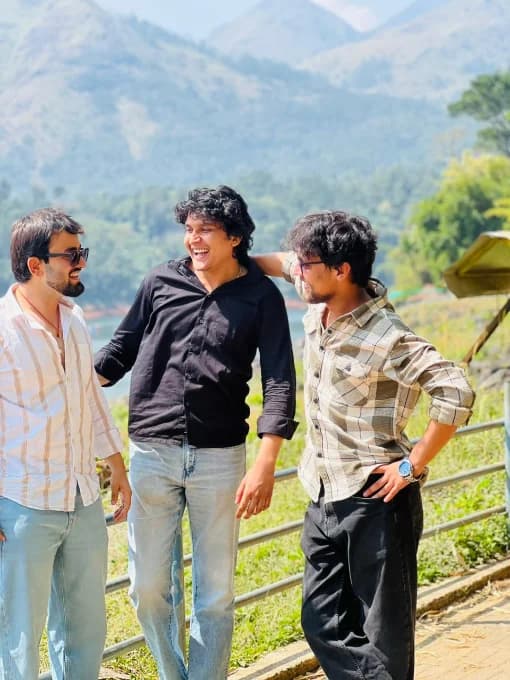
Punkil Baliyan, Rohit Panwar & Abhishek Kapadyan
Jansath Road, Muzaffarnagar
We grew up on the smell of boiling cane.
One of us was raised fifty metres from the family kolhu in Muzaffarnagar. From November to March the whole house smelled of it, and the gur that reached our kitchen was the same gur that came off the pan that morning — nobody thought of that as a feature.
Then we moved to the city and started buying our own groceries. The haldi had no smell. The ghee had never seen a churn. We were paying more and eating worse, and we could not explain a single thing about where any of it came from.
Kolhiva started because we already had the cane, the mill and the phone numbers of people who farm properly. It felt absurd not to put that on other people's shelves too.
Every batch, traced back to where it came from.
Ask us about any jar on your shelf and we can name the village it grew in and the month it was harvested. Not a region. A village.
Jaggery
Rice
Haldi
Mustard oil
A2 bilona ghee
◈Batch numbers are written on the lid by hand. Message us any of them and we will send you the lab report and, if you want it, the name of the farmer.
Not a specialty shelf. The whole kitchen.
Most brands that talk the way we do sell one precious thing you buy twice a year and keep at the back of a cupboard. That was never the point. The point is the jar you reach for on a Tuesday without thinking.
So we go one product at a time. Each one stays in trial until we can make it at the standard we want, at a price a household can absorb weekly, and trace it back to a village. Five are in. The rest are queued behind them.
Nothing goes on the van until it is better than what you would otherwise buy. If we cannot get there, it stays off the list.
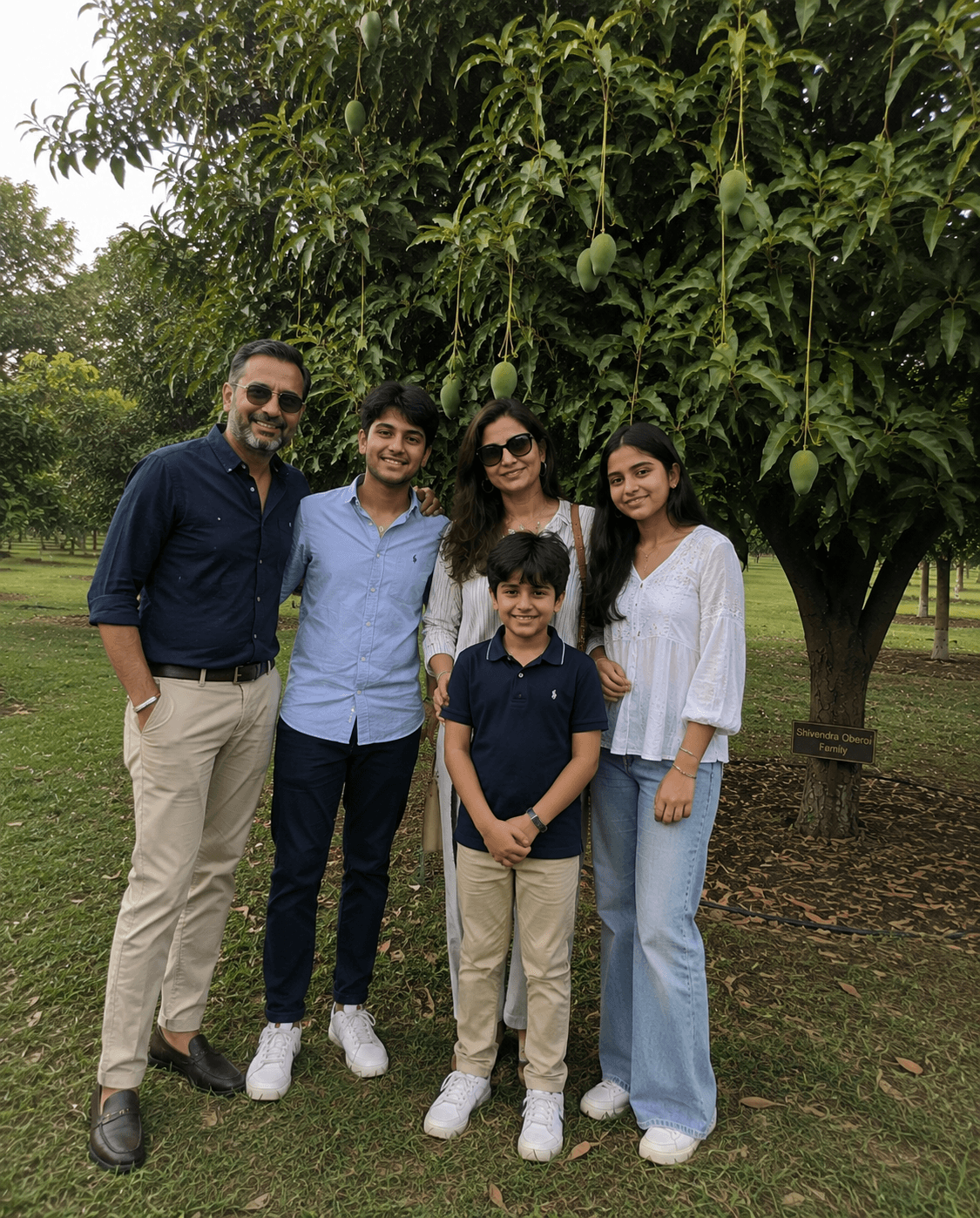
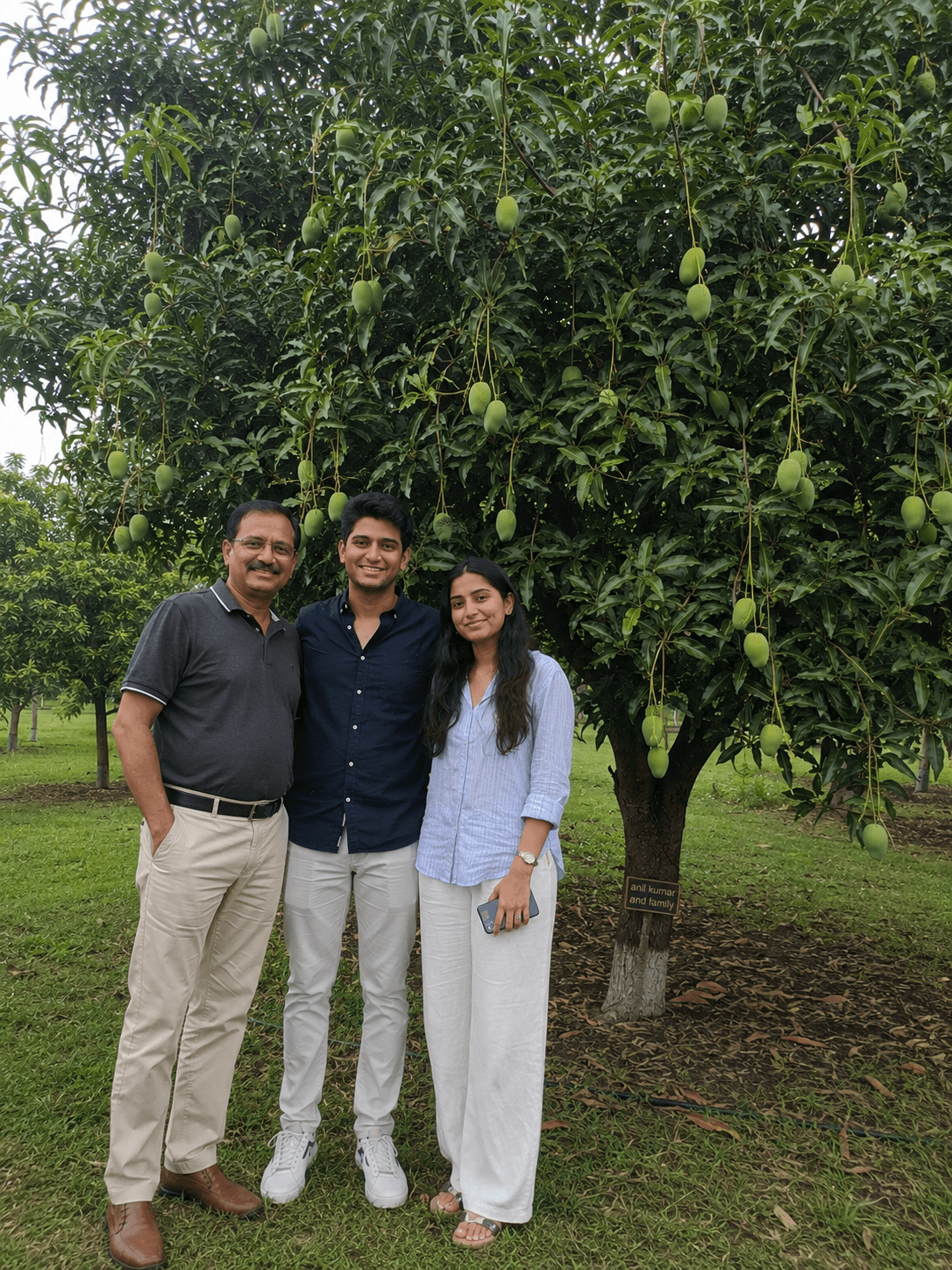
Stay with us a year and we will put your name on a mango tree.
There is a mango orchard at the edge of the family land in Muzaffarnagar. Households that have been with us twelve months get one of those trees dedicated to them, with a small plate at the base carrying their name. We send a photo when it is put up, and again when that tree fruits. That is the whole thing — no points, no tier, nothing to claim.